
BT111 Game: What Keeps Users In Game, While Others Move On Without Profit?
weeklyVersion
V1.2.11Requirements
Android/IOS/WindowsDownloads
11423Get it on

Description
Most gaming platforms attract attention.
Far fewer manage to maintain it.
This distinction is often overlooked when people evaluate platforms such as BT111 Game.
The internet is filled with articles discussing registration procedures, promotional offers, welcome bonuses, and platform features. These topics matter because they shape first impressions and help users decide whether a platform is worth exploring.
However, trying a platform and continuing to use it are two very different experiences.
A user may create an account, explore the interface, claim available rewards, and spend a short period testing various features. Yet none of these actions guarantees long-term engagement. Many users leave shortly after joining, even when their initial experience appears positive.
Interestingly, this pattern is not unique to the BT111 Game. Similar user behavior can be observed across other platforms, including TY777 Game and 44PK Game, where first impressions often differ from long-term experiences. The factors that attract users initially are not always the same factors that encourage them to stay.
This raises an important question.
What makes some users return to the BT111 Game repeatedly instead of moving to other gaming platforms?
The answer rarely comes down to a single feature.
Long-term loyalty usually develops through a combination of convenience, familiarity, usability, confidence, rewards, and overall satisfaction. Individual elements matter, but the way they work together often matters even more.
This article examines the BT111 Game through a loyalty investigation framework.

Rather than focusing on promotional claims, it explores user behavior, changing expectations, and the practical factors that may encourage some users to remain active over time. In doing so, it also highlights broader loyalty patterns that can be observed across platforms such as TY777 Game and 44PK Game, where repeat usage often reveals more than first impressions ever can.
- Why Users Become Interested in the BT111 Game
- The Difference Between Trying a Platform and Staying With It
- Registration, Login, and Early User Confidence
- The Features Users Continue Talking About
- Rewards, Bonuses, and User Motivation
- BT111 Withdrawal and the Role of Convenience
- What Experienced Users Understand That Beginners Often Miss
- Why Some Users Remain Active
- Why Some Users Eventually Leave
- Practical Assessment of BT111 Game
- The Psychology of Digital Loyalty
- How Habit Formation Influences BT111 Game Usage
- Why Familiar Platforms Often Feel More Valuable Than New Ones
- The Hidden Cost of Switching Gaming Platforms
- Trust Signals Users Notice After 30+ Days of Use
- A 90-Day User Journey Analysis of BT111 Game
- Final Insight
- Frequently Asked Questions
Why Users Become Interested in the BT111 Game
Every user’s adventure begins before they register.
Most individuals first learn about the BT111 Game through web searches, referrals, commercials, or chats with current users.
The motives behind those searches are frequently surprisingly similar.
Some people are looking for a new game platform to explore.
Others are interested in features that they’ve learned about through friends or online networks.
Some people look for the BT111 online game because they desire a platform that is available from several devices and locations.
At this point, expectations form swiftly.
Users often assume they already understand what the platform will offer before creating an account.
Promotional materials contribute to these expectations. So do reviews, screenshots, social media discussions, and reward descriptions.
The challenge is that expectations and actual experiences do not always align.
Many platforms appear attractive initially but fail to maintain interest once the novelty disappears.
The platforms that retain users usually provide value beyond initial curiosity.
That value often becomes visible only after repeated use.
The Difference Between Trying a Platform and Staying With It
The gap between first-time use and long-term engagement reveals a great deal about any platform.
Trying something requires curiosity.
Continuing to use it requires satisfaction.
When users first explore the BT111 Game, they are typically focused on visible elements.
They notice the interface.
They evaluate navigation.
They test available options.
They observe rewards and account functionality.
These first impressions matter because they create an emotional response.
A smooth experience generates confidence.
A confusing experience generates hesitation.
However, long-term engagement depends on factors that become noticeable only after repeated use.
Over time, users begin asking different questions.
Can they navigate efficiently?
Does the platform remain convenient?
Do features continue to feel useful?
Does the experience remain consistent?
The answers to these questions often determine whether curiosity develops into routine usage.
Many platforms perform well during the first encounter but struggle to maintain engagement over weeks or months.
Others create stronger long-term relationships because their practical value becomes clearer over time.
Registration, Login, and Early User Confidence
Early interactions have a significant influence on loyalty.
The BT111 register process may seem like a simple administrative step, but it contributes directly to first impressions.
Users often judge a platform’s professionalism through account creation.
A straightforward registration experience reduces uncertainty.
Complicated procedures can create frustration before users even begin exploring features.
The same principle applies to the BT111 login experience.
Logging into a platform is a repeated activity.
What seems insignificant during the first visit becomes important after dozens or hundreds of sessions.
Convenience matters because users compare every interaction against their expectations.
If accessing an account feels simple and predictable, confidence gradually increases.
If users encounter repeated obstacles, even small frustrations can accumulate over time.
Interestingly, loyalty often develops from reducing friction rather than adding excitement.
Many experienced users value convenience more than they value novelty.
A platform that consistently functions as expected may generate stronger long-term satisfaction than one that constantly introduces new features but creates usability challenges.
The Features Users Continue Talking About
When people first join a platform, they often focus on whatever is most visible.
Over time, attention shifts.
Experienced users typically evaluate features differently from beginners.
Instead of asking which features look impressive, they ask which features they actually use.
This distinction is important.
Features that receive the most marketing attention are not always the features that generate loyalty.
Users often remain active because certain tools become part of their routine.
Efficient navigation, reliable account management, clear information, and smooth platform performance frequently become more important than initially expected.
This pattern appears across many digital platforms.
The features people notice first are not always the features they appreciate most later.
For the BT111 Game, long-term users often develop preferences based on practicality rather than appearance.
The platform elements that save time, reduce confusion, and improve convenience usually become more valuable as familiarity grows.
Rewards, Bonuses, and User Motivation
Rewards play an important role in attracting attention.
This is true across nearly every gaming platform.
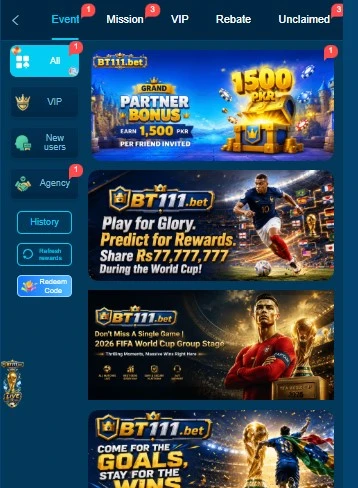
BT111 game bonuses often become one of the first things potential users investigate.
Promotional rewards create interest because they offer immediate value.
They provide an incentive to explore the platform.
However, rewards alone rarely create loyalty.
There is a significant difference between attracting users and retaining them.
Many users initially focus on BT111 rewards because they are easy to understand and highly visible.
Over time, priorities tend to evolve.
Experienced users often place greater emphasis on consistency, usability, and overall experience.
Rewards remain important, but they become part of a larger evaluation process.
The most loyal users rarely stay because of a single promotion.
Instead, rewards contribute to a broader perception that the platform continues to provide value.
When rewards align with a positive overall experience, they strengthen engagement.
When rewards become the only reason for participation, loyalty often remains fragile.
BT111 Withdrawal and the Role of Convenience
Transaction experiences frequently influence user satisfaction more than people expect.
Users may not think about withdrawals during their first visit.
Eventually, however, transaction-related experiences become part of their overall assessment.
BT111 withdrawal processes can affect perceptions of convenience, reliability, and trust.
Users generally appreciate clear requirements and predictable procedures.
Confusion tends to create uncertainty.
Transparency often matters more than speed alone.
Most experienced users understand that verification procedures exist for practical reasons.
What matters is whether the process feels understandable and manageable.
Reliable transaction experiences contribute to confidence because they reduce uncertainty.
Over time, confidence becomes one of the strongest foundations of loyalty.
Users are more likely to return to platforms that consistently meet their expectations.
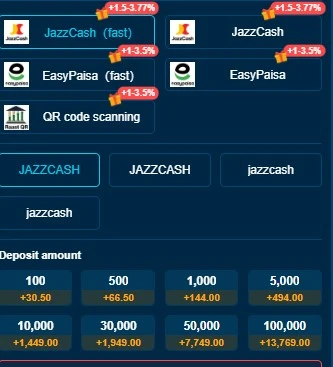
Jazzcash and Easypaisa are famous in Pakistan for withdrawal and deposit, while other countries may prefer bank transfers.
What Experienced Users Understand That Beginners Often Miss
New users usually focus on visible benefits.
Experienced users often focus on practical realities.
This shift happens gradually.
After repeated use, people begin noticing aspects of the platform that were previously invisible.
Consistency becomes important.
Efficiency becomes important.
Predictability becomes important.
Many beginners assume excitement determines long-term satisfaction.
Experienced users frequently discover the opposite.
The features that support routine usage often matter more than the features that generate initial excitement.
Another common lesson involves expectations.
Beginners sometimes expect immediate conclusions.
Experienced users understand that evaluating a platform requires time.
The longer someone uses a platform, the more accurate their assessment becomes.
Why Some Users Remain Active
Long-term engagement usually develops from several overlapping factors.
Familiarity reduces effort.
Consistency builds confidence.
Convenience saves time.
Rewards support motivation.
Ease of use encourages repetition.
These factors reinforce one another.
Users who feel comfortable navigating the BT111 Game often experience less friction.
Lower friction increases satisfaction.
Higher satisfaction encourages continued participation.
Over time, repeated positive experiences create habits.
Those habits frequently become stronger than any individual feature.
Why Some Users Eventually Leave
A balanced evaluation requires acknowledging that not every user remains active indefinitely.
People leave platforms for many reasons.
Personal interests change.
Priorities shift.
Competing platforms emerge.
Expectations evolve.
Sometimes users simply seek new experiences.
In other cases, the platform may no longer align with their preferences.
This does not necessarily indicate failure.
Digital loyalty is rarely permanent.
Even highly satisfied users occasionally move on when their circumstances change.
Understanding why users leave is just as important as understanding why they stay.
Both perspectives provide valuable insight into long-term engagement.
Practical Assessment of BT111 Game
Viewed through a loyalty investigation framework, BT111 Game appears most interesting not because of its promotional features but because of the factors that influence repeat usage.
Initial impressions matter.
Rewards matter.
Accessibility matters.
However, long-term engagement depends on deeper qualities.
Users who continue returning typically value convenience, familiarity, confidence, and consistency.
These factors often become more important as experience grows.
The platform’s long-term appeal is therefore less about attracting attention and more about maintaining satisfaction.
The Psychology of Digital Loyalty
Digital loyalty is often misunderstood.
Many people assume users remain loyal because they receive rewards or because they have invested time in a platform.
Those factors certainly matter, but they rarely tell the complete story.
Human beings naturally seek predictability.
When a platform consistently behaves the way users expect, it reduces uncertainty. Navigation becomes easier. Decisions require less effort. Users stop thinking about how to use the platform and begin focusing on what they want to accomplish.
This psychological comfort provides a significant benefit.
Each positive connection increases familiarity. Each familiar encounter requires less mental effort. Over time, people may return not because they deliberately choose to be loyal, but because the experience is comfortable and reliable.
When examining the BT111 Game, this viewpoint is especially important.
The question isn’t only whether users appreciate the site.
The most interesting topic is whether repeated use eventually instills confidence, making returning feel easier than looking for alternatives.
This delicate process frequently results in increased digital loyalty.
How Habit Formation Influences BT111 Game Usage
Habits shape far more online behavior than most people realize.
Initially, every interaction with a platform requires conscious attention.
Users explore menus.
They learn navigation paths.
They familiarize themselves with available options.
As experience grows, these actions become automatic.
The transition from deliberate behavior to habitual behavior represents an important milestone in long-term engagement.
Users no longer feel like visitors.
They begin feeling like regular participants.
For BT111 Game, habit formation can occur through repeated routines.
Logging in becomes familiar.
Checking available features becomes routine.
Exploring platform updates becomes part of an established pattern.
The significance of these habits should not be underestimated.
A platform that successfully integrates into a user’s routine often gains a powerful advantage over competitors.
Breaking an existing habit requires effort.
Maintaining one requires very little.
This difference frequently influences long-term user retention.
Why Familiar Platforms Often Feel More Valuable Than New Ones
People are naturally attracted to novelty.
New platforms generate curiosity because they promise different experiences.
However, novelty and value are not always the same thing.
Many experienced users eventually discover that familiarity carries its own benefits.
A familiar platform reduces uncertainty.
Users already understand where features are located.
They understand account settings.
They understand navigation systems.
They understand how the platform behaves under different circumstances.
This accumulated knowledge creates efficiency.
Tasks require less effort.
Mistakes become less common.
Users spend less time learning and more time engaging.
As a result, familiar platforms often feel more valuable even when competing alternatives offer similar features.
When users continue returning to BT111 Game, familiarity may be playing a larger role than they initially realize.
The platform itself remains important.
But the user’s accumulated experience becomes part of the value equation as well.
The Hidden Cost of Switching Gaming Platforms
Most discussions about gaming platforms focus on the benefits of joining.
Far fewer examine the costs associated with leaving.
Every platform requires learning.
Users invest time understanding navigation, account settings, reward systems, and platform-specific features.
This investment creates what economists often describe as switching costs.
These costs are not necessarily financial.
They are often psychological and practical.
Switching platforms means learning new systems.
It means adjusting to unfamiliar interfaces.
It means rebuilding confidence.
It means accepting temporary uncertainty.
For this reason, users often evaluate alternatives differently after gaining experience.
A new platform may appear attractive from a distance.
Yet once users consider the effort required to start over, familiar platforms can become more appealing.
BT111 Game benefits from this dynamic whenever users feel that the convenience of staying outweighs the uncertainty of switching.
Trust Signals Users Notice After 30+ Days of Use
Trust rarely develops immediately.
Most users require repeated interactions before forming meaningful conclusions.
The first few days often focus on surface-level observations.
After several weeks, attention shifts toward deeper indicators.
Users begin noticing consistency.
They notice responsiveness.
They notice whether information remains clear and accessible.
They observe whether account-related processes function predictably.
These observations create trust signals.
Interestingly, many of the strongest trust signals receive very little promotional attention.
Users rarely become loyal because of advertising.
They become loyal because their actual experiences repeatedly confirm expectations.
After 30 days or more, perceptions are often shaped by questions such as:
Does the platform remain reliable?
Does it continue functioning as expected?
Are processes understandable?
Do interactions feel consistent?
These factors frequently influence long-term confidence more than any initial promotion.
A 90-Day User Journey Analysis of BT111 Game
Examining user behavior over a longer period reveals how loyalty develops.
Days 1–7: Curiosity and Exploration
Most new users focus on discovery.
They explore available features.
They complete the account setup.
They evaluate the overall experience.
At this stage, curiosity drives engagement.
Expectations remain highly influential.
Days 8–30: Evaluation and Comparison
The novelty begins fading.
Users start comparing their actual experiences against their original expectations.
Convenience becomes increasingly important.
Navigation efficiency becomes more noticeable.
Users begin identifying which features provide genuine value.
This period often determines whether engagement continues.
Days 31–60: Routine Formation
Users who remain active frequently establish usage patterns.
The platform starts feeling familiar.
Interactions require less effort.
Confidence gradually increases.
At this stage, users are less influenced by marketing messages and more influenced by practical experience.
Days 61–90: Long-Term Assessment
After several months, users possess enough experience to evaluate the platform realistically.
Strengths become clearer.
Limitations become clearer.
Trust develops through repeated interactions rather than assumptions.
Users who remain active beyond this stage often do so because the overall experience aligns with their expectations and habits.
This does not guarantee permanent loyalty.
However, it does suggest that the platform has successfully moved beyond initial curiosity and become part of the user’s routine.
That transition represents one of the strongest indicators of long-term engagement.
Final Insight
The most important indicator of a platform’s usefulness is frequently how many people test it and then continue to use it over time.
When seen through that lens, BT111 Game becomes a case study in long-term user behavior rather than a tale about registration, bonuses, or promotional features.
Users who return frequently typically respond to a combination of convenience, familiarity, confidence, and satisfaction gained through experience. These characteristics are more difficult to quantify than first impressions, but they frequently influence whether a platform becomes a part of someone’s routine long after the initial curiosity has passed.
Frequently Asked Questions
What is BT111 Game?
BT111 Game is an online gaming platform that users often explore for its gaming options, account features, rewards, and overall accessibility.
How does the BT111 register work?
The BT111 register process involves creating an account and completing the required information before accessing platform features.
How does BT111 login affect user experience?
The BT111 login experience contributes to convenience and usability because it represents a repeated interaction that users perform regularly.
Are BT111 game bonuses important?
BT111 game bonuses often attract initial interest, but long-term satisfaction usually depends on the overall experience rather than bonuses alone.
What are BT111 rewards?
BT111 rewards generally refer to incentives offered through platform activities, promotions, or participation programs.
Why do users care about BT111 withdrawal processes?
Withdrawal experiences influence perceptions of convenience, reliability, and overall satisfaction because they are part of the broader user experience.
What keeps users returning to the BT111 Game?
Most loyal users remain active because of a combination of familiarity, convenience, consistency, usability, confidence, and perceived value over time.
Download links
How to install BT111 Game: What Keeps Users In Game, While Others Move On Without Profit? APK?
1. Tap the downloaded BT111 Game: What Keeps Users In Game, While Others Move On Without Profit? APK file.
2. Touch install.
3. Follow the steps on the screen.